The Context Layer — a newsletter on AI memory, context synthesis, and building products that think.

About

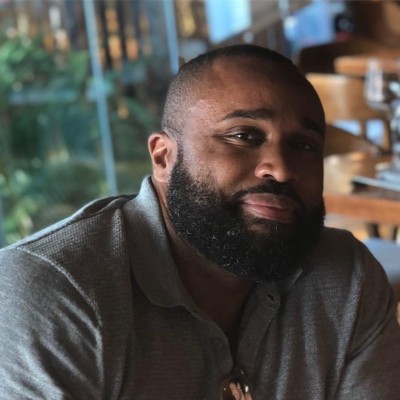
I’ve spent twenty years building systems that help people and organizations make better decisions with the information they have. The thread running through my career isn’t a job title. It’s a question: how do you get the right information to the right person at the moment they need to decide?

That question has taken me from targeted political campaigns across the country to building enterprise AI platforms, and it’s led me to what I work on now: the architecture of context in AI systems — the five-step process (curate, synthesize, consolidate, prioritize, store) that most AI products skip entirely.

But I didn’t arrive here through AI. I arrived here through behavioral economics, information architecture, and a lot of building.

The Early Years: Building and Breaking Things (2006–2014)

I started in 2006 as a community organizer at Madison Park Development Corporation in Boston, where Celia Grant asked the question that changed my career: “How could we have used technology to better mobilize voters in Roxbury?” I went to DC to learn political technology, attended the first-ever digital organizing training (New Organizing Institute), and promptly got my teeth kicked in by an industry that didn’t know me and didn’t care to.

So I built my way in. I blogged about behavioral economics and decision architecture starting in 2008 — years before “nudge theory” became mainstream. I wrote about knowledge systems for an Information Architecture trade publication. I spoke at conferences on these topics. I led digital for two highly targeted U.S. Senate and Congressional races, led digital transformation for some of the top advocacy and charitable organizations in the world, and built prototypes and production products for early stage startups.

But I wasn’t just doing “digital.” I was building — websites, database and CRM systems, martech platforms, prototypes, and early products. One startup was essentially Digg for fashion. Another was a fitness social network. I built my first data platform in 2003 — for Boston Beer Company, using Microsoft Access. Every job involved building applications, which prepared me for the career pivot from digital strategy to product management that came later.

In 2009, I founded Social Contxt, a tech-enabled services company building an omnichannel martech platform for the SMB market, partly funded by Hootsuite. We grew to five people and six figures in revenue in six months. It didn’t become a venture-scale company, but it taught me how to build a product business from zero.

Enterprise Transformation (2011–2021)

I joined Hill Holliday in 2011 as a digital strategist, running campaigns and social customer service programs for Bank of America (1M+ Facebook followers, 30% increase in customer perception) and Cigna Healthcare (reduced service SLA from 7 days to 1 day). Then I moved to 4Site Interactive Studios, where I led digital strategy for clients like PBS, Oceana, and the NFL Foundation, before landing at Phase2.

Phase2 is where I made the pivot from digital strategy to product. I launched and led a 10-person consulting practice ($3M revenue in year one) and embedded as product lead within J&J, Northwell Health, Ann Inc., Twitter, Reddit, Memorial Sloan Kettering, Al Jazeera, and Sony Music. Each engagement was a transformation story: taking an organization’s digital infrastructure and fundamentally changing how their teams used technology to engage customers and drive growth.

At IBM (2018–2021), the transformation was bigger. I led digital product and growth for the Cloud and AI self-service portfolio, overseeing 48 reports and a $4M budget. I deployed the growth stack globally, built personalization systems into IBM’s DXP, and drove millions in revenue through context-aware nurture and onboarding. But even with two analysts, three data science teams, and a cadre of agencies at my disposal, I constantly felt like I didn’t know what our customers actually needed to drive meaningful adoption and retention. That frustration — “if this is this hard with all the resources IBM has, how hard is this for small businesses?” — sparked the idea for Grandstage.

Founder and Builder (2022–Present)

I co-founded Grandstage in 2022. We built an AI research engine for GTM teams, raised $525K, went through Techstars and Antler, shipped three products, and scaled to 90 B2B companies at $0 CAC. After Grandstage, I served as SVP and GM at Helm Labs, generating a $3.25M pipeline for an AI data intelligence platform pre-product launch.

Now I’m VP Product at Suzy, where I led the transformation from a consumer survey platform to a Decision Engine — an enterprise product that synthesizes fragmented market intelligence into decisions 350+ brands can act on. We launched the Decision Engine on April 2, 2026.

I’m also building Sia — a personal knowledge system that demonstrates the exact five-step context generation architecture I advocate for. Building it is the proof.

The Throughline

Looking back across twenty years, the thread is clear: from politics to digital strategy to product management to AI context architecture. Each step was about the same problem — how do you turn raw information into something a person (or a system) can use to make a good decision? I’ve been reading and writing about cognitive psychology, information theory, and decision science since 2008. What’s changed is that AI has made the architecture of context a product problem, not just an academic one. And product problems are what I solve.

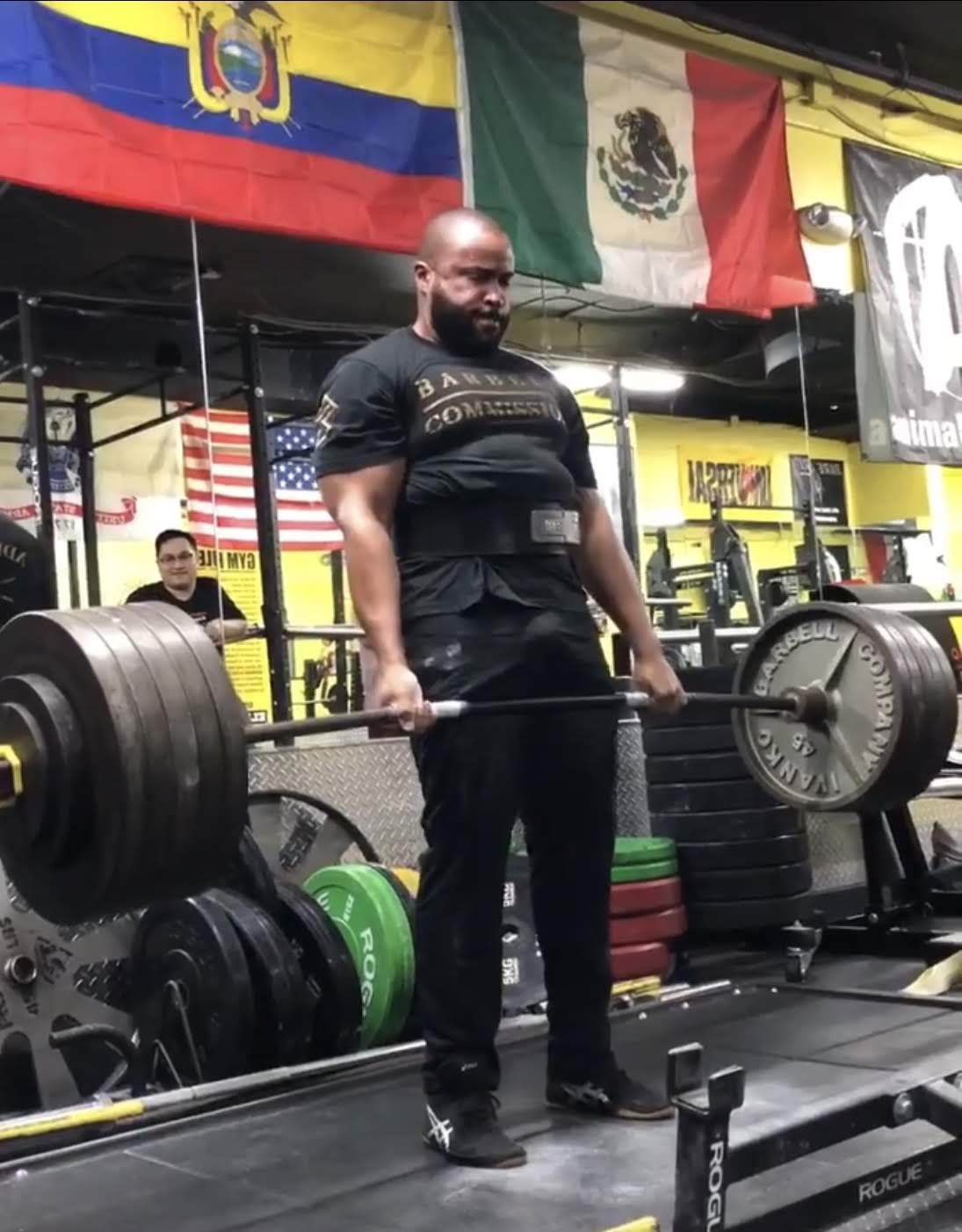
I live in Brooklyn with my wife and two young children. When I’m not building, I’m strength training, photographing street scenes, or reading sci-fi.

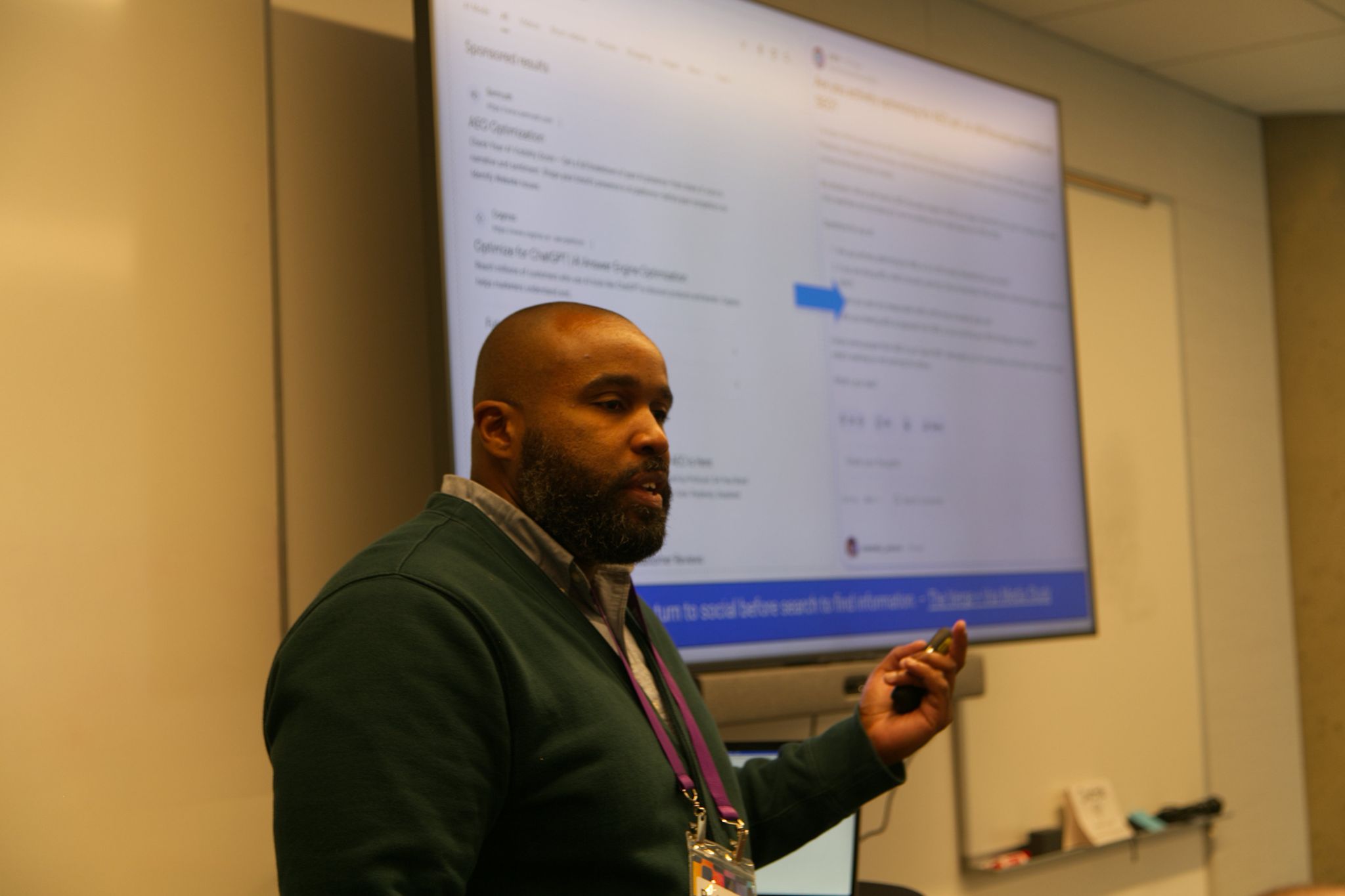
I speak about context, product, and AI.

I speak about context architecture, AI product strategy, and the lessons from building AI products in production. My talks are practitioner-focused: specific decisions, real trade-offs, frameworks the audience can apply Monday morning.

The Five Steps Most AI Systems Skip

Why most AI products treat data as context and what happens when you build the generation layer they’re missing. The five-step architecture (curate, synthesize, consolidate, prioritize, store), grounded in cognitive science and demonstrated in production.

RAG Is Not Enough

RAG is a retrieval pattern, not a context strategy. What the next generation of AI products needs beyond chunking and embedding — and how to think about it differently.

From Zero to Revenue: Building AI Products Without Writing Code

The practical guide to building production SaaS products using AI coding tools. Architecture decisions, the mistakes that cost weeks, and the workflows that actually scale.

The Product Leader’s Guide to AI Architecture Decisions

When to build vs. buy. How to evaluate context systems. Whether your product actually needs a context layer. A decision framework from someone who’s made these calls.

For speaking inquiries, podcast bookings, or panel invitations: Get in touch

Twenty years of building systems.

2025–Present
VP Product
Suzy
Led transformation to Decision Engine; launched April 2, 2026
2024
SVP & General Manager
Helm Labs
AI data intelligence platform; $3.25M pipeline pre-launch
2022–2024
Co-Founder & Head of Product
Grandstage / Spade AI
AI market intelligence; 300% growth, $0 CAC, Techstars + Antler
2018–2021
Digital Product & Growth Leader
IBM
Cloud & AI portfolio; $4M budget, 48 reports, millions in revenue impact
2014–2017
Director, Product & Digital Strategy
Phase2
Consulting practice; $3M revenue, J&J, Northwell, Ann Inc., Twitter
2012–2014
Director, Strategy
4Site Interactive Studios
PBS, nonprofits, digital strategy work
2011–2012
Digital Strategist
Hill Holliday
Bank of America, Cigna Healthcare
2009–2011
Founder
Social Contxt
Martech platform for SMBs, funded by Hootsuite
2006–2009
Digital Director & Product Manager
Freelance
Political campaigns, Mozilla, Jane Goodall Institute, U.S. Senate races

See what I’m building now

View projects